Pull-Up Progression: From Zero to 10 Reps in 12 Weeks
A proven 12-week pull-up training plan. Build strength systematically from zero pull-ups to 10 clean reps. Step-by-step weekly progression with sets, reps, and rest periods.
Introduction
The pull-up is the single best measure of upper body strength. Doing 10 clean pull-ups separates the average gym-goer from the truly strong. Yet most adults can do zero — and most plans focused on "getting your first pull-up" stop there without showing you how to build to 10.
This guide gives you a complete 12-week pull-up progression — from zero reps to 10 unassisted pull-ups. Every week has specific sets, reps, and progression criteria. Follow it precisely and 70-80% of consistent trainees reach 10 pull-ups in 12 weeks or less.
Why 10 Pull-Ups?
10 unassisted pull-ups is the universal benchmark of upper body strength because:
- It represents real functional strength (lifting your own bodyweight 10 times)
- It demonstrates back, biceps, shoulders, and core working together
- It's achievable by anyone with consistent training (no genetic limits)
- It opens the door to advanced movements (weighted pull-ups, muscle-ups, archer pull-ups)
Most fitness benchmarks are arbitrary. 10 pull-ups isn't — it's the realistic ceiling of natural upper body pulling strength for the average adult.
Prerequisites
Equipment
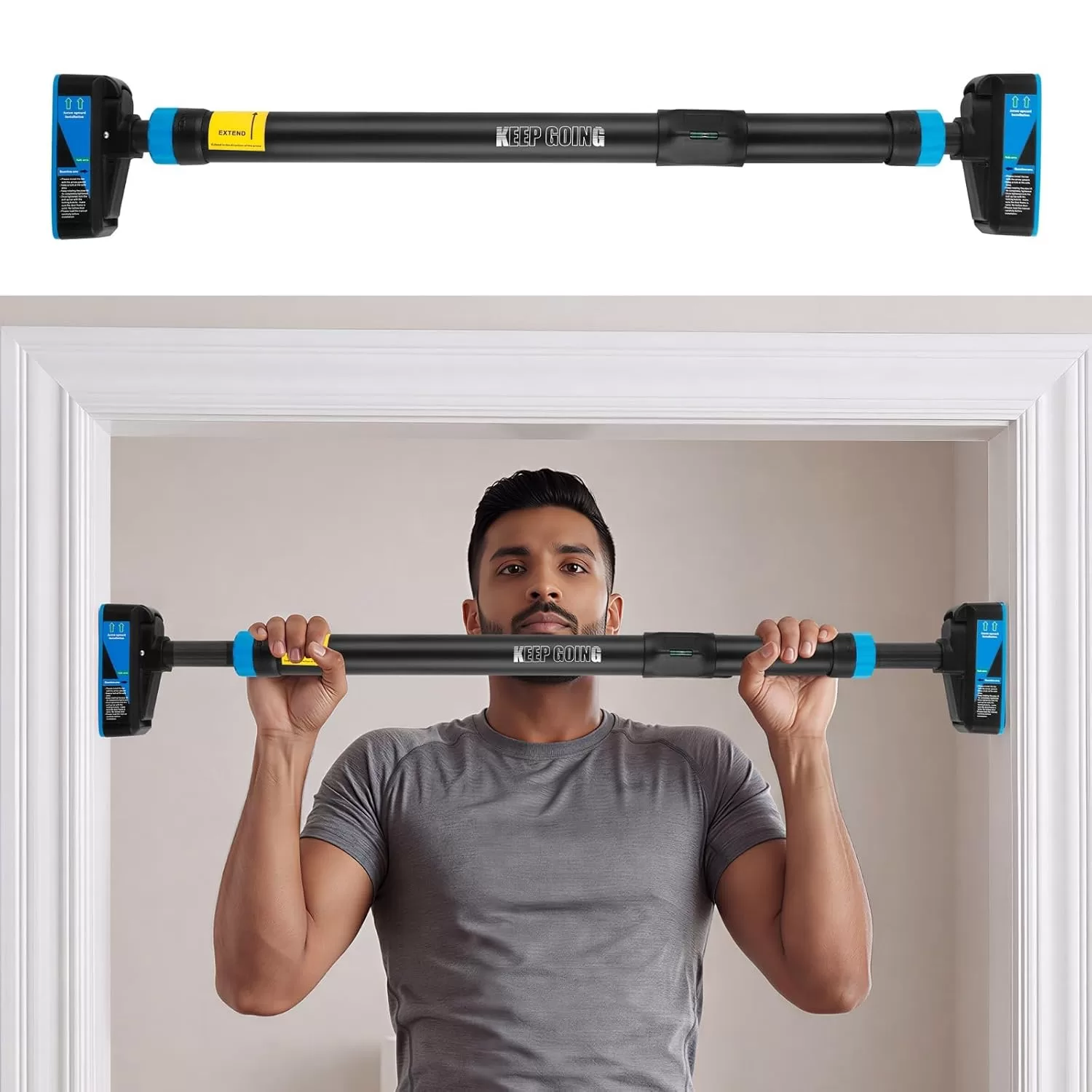
A doorway pull-up bar (₹1,500). The XRT65 Pull-Up Bar mounts in 30 seconds without drilling, supports up to 100 kg, and fits any standard Indian door frame.
Starting Strength
Before starting Week 1, you should be able to:
- Hang from the bar for 30 seconds (dead hang)
- Lower from top to bottom over 5 seconds (negative pull-up)
If you can't, spend 1-2 weeks building those baselines first.
The 12-Week Progression
Weeks 1-3: Foundation (Negative + Assisted)
Train 3 days/week (Mon/Wed/Fri).
| Exercise | Sets x Reps |
|---|---|
| Dead Hang | 3 × 30 sec |
| Negative Pull-Up (5-sec lowers) | 4 × 4 |
| Assisted Pull-Up (resistance band) | 3 × 6 |
| Hanging Knee Raise | 3 × 10 |
Goal by end of Week 3: 1-2 unassisted pull-ups.
Weeks 4-6: First Reps (Unassisted)
| Exercise | Sets x Reps |
|---|---|
| Unassisted Pull-Up | 5 × 1-2 (or max) |
| Negative Pull-Up (8-sec lowers) | 3 × 4 |
| Chin-Up (palms toward you) | 3 × max |
| Hanging Knee Raise | 3 × 12 |
Goal by end of Week 6: 3-5 unassisted pull-ups in one set.
Weeks 7-9: Volume Building
| Exercise | Sets x Reps |
|---|---|
| Pull-Up (working sets) | 5 × 3-5 |
| Chin-Up | 3 × max |
| Negative Pull-Up (10-sec lowers) | 2 × 4 |
| Hanging Leg Raise | 3 × 8 |
Train 4 days/week now (Mon/Tue/Thu/Fri). Volume is the key here.
Goal by end of Week 9: 5-7 unassisted pull-ups in one set.
Weeks 10-12: Push to 10
| Exercise | Sets x Reps |
|---|---|
| Pull-Up (heavy sets) | 5 × 5-8 |
| Pull-Up (volume sets) | 3 × max |
| Chin-Up | 3 × max |
| Hanging Leg Raise | 3 × 10 |
Goal by end of Week 12: 10 unassisted pull-ups in one set.
Critical Form Cues
1. Start From a Dead Hang
Arms fully straight at the bottom. Cheating by starting half-bent inflates your rep count but builds half the strength.
2. Pull Chin Over Bar
Not "almost there." Chin must clear the bar each rep. Many gyms count partial reps — yours shouldn't.
3. Control the Lower
Take 2-3 seconds to lower. Don't drop. The eccentric (lowering) phase builds 30-40% more strength than the lift.
4. Engage Shoulders
Pull shoulder blades down and back at the top. Don't let shoulders rise toward ears.
5. No Kipping or Swinging
Strict form only. Body should be straight (or slightly arched). Legs hanging or crossed behind you.
Recovery + Diet Notes
Rest Between Sessions
48 hours minimum. Pull-up muscles (lats, biceps, forearms) need full recovery.
Protein
1.5-2 g per kg bodyweight daily. Without adequate protein, your body can't build the new strength.
Sleep
7-8 hours minimum. Most strength gains happen during sleep. Poor sleep = stalled progress.
Bodyweight Matters
Pull-ups get harder if you gain weight (more bodyweight to lift). For fastest progress, maintain or slightly lose weight while training.
Plateau Breakers
If Stuck at 3-4 Reps
You need more volume. Do 10-15 sets of 2-3 reps throughout your training day instead of fewer sets to failure.
If Stuck at 5-6 Reps
Add weighted pull-ups (use a backpack with 2-5 kg). Heavy weighted singles build the strength that translates to higher unweighted rep counts.
If Stuck at 7-8 Reps
You're 2 reps away. Likely a recovery or sleep issue. Take 5-7 days off completely, then return — most people PR after a deload.
Common Mistakes
1. Training Too Often
5+ days/week of pull-ups isn't more progress — it's overuse injury. Stay at 3-4 days max.
2. Half Reps
Inflating rep count with partial pull-ups doesn't build strength. Quality > quantity.
3. Always Training to Failure
Beginners should leave 1-2 reps in reserve per set. Training to absolute failure every set delays recovery.
4. Ignoring the Negative
If you drop yourself from the top, you're skipping 30-40% of the strength gains.
5. No Tracking
Write down sets, reps, dates. If you can't see progress on paper, you're not progressing on the bar.
Equipment for the Plan
XRT65 Pull-Up Bar
The only equipment required. ₹1,500. Doorway mounted, no drilling, supports up to 100 kg.
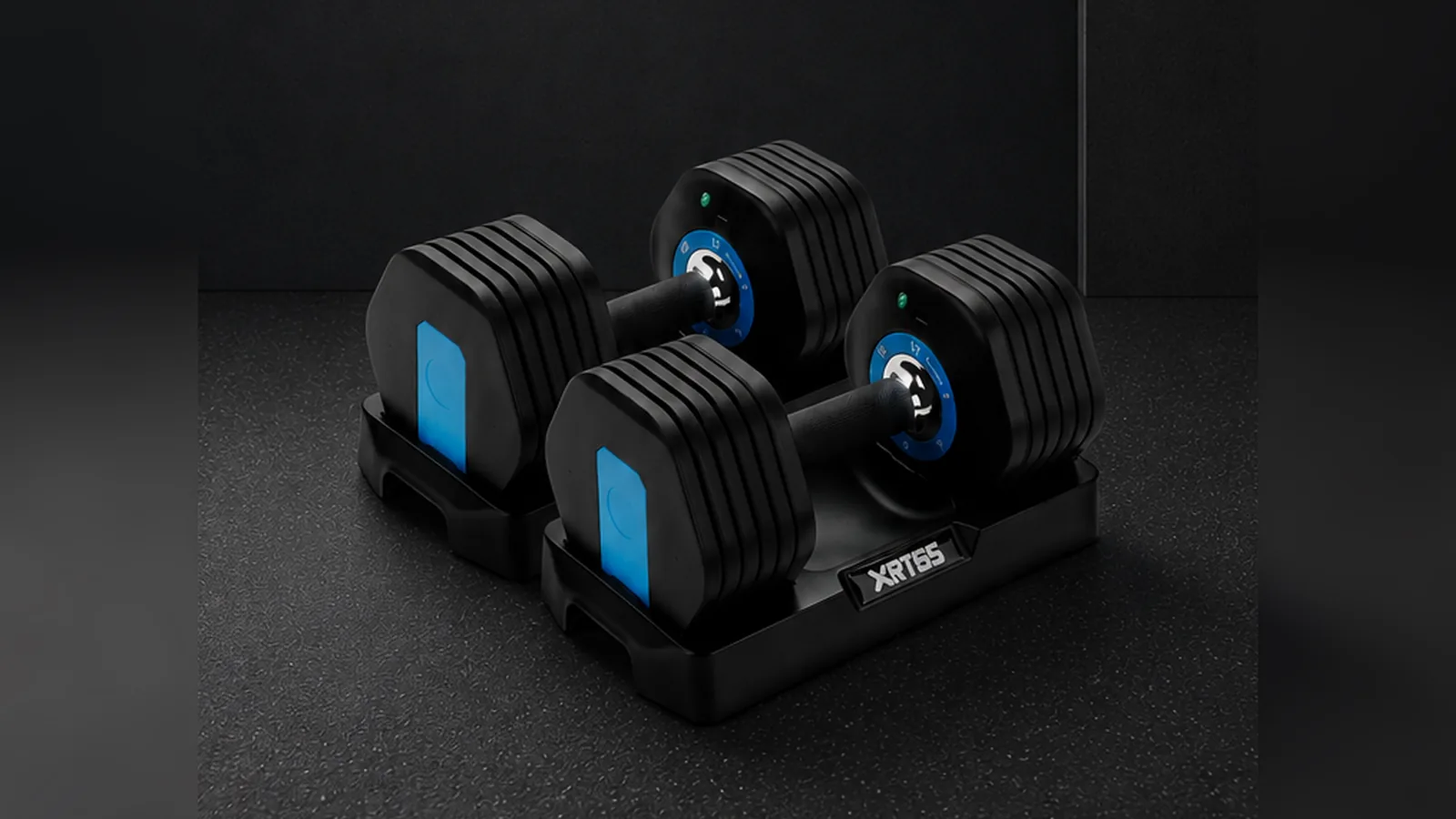
Shop Pull-Up BarXRT65 Adjustable Dumbbells (For Accessory Work)
Pair pull-up training with rows and dumbbell exercises for accelerated back/bicep growth.
Shop DumbbellsXRT65 Weight Lifting Belt (For Weighted Pull-Ups)
For Weeks 10-12 weighted pull-up work. Attach weight plates or kettlebells.
Shop BeltFAQ
Is 12 weeks realistic for 10 pull-ups?
Yes for 70-80% of consistent trainees with starting baseline (1-2 negatives). Faster for athletic types. Slower for heavier individuals — that's not failure, just longer timeline.
Can women hit 10 pull-ups?
Yes. Takes longer than men typically (4-12 months vs 2-4 months from same baseline) but absolutely achievable. Many trained women do 15+ pull-ups.
Should I do chin-ups or pull-ups first?
Chin-ups are easier. Start with chin-ups if pull-ups are too hard. Progress to pull-ups as you get stronger.
How heavy can I get with weighted pull-ups?
Eventually, bodyweight + 30-50% extra. Top performers do bodyweight + 100% (one pull-up while holding another bodyweight). Long-term goal.
Will doing pull-ups make me look like a gymnast?
Not without years of additional training plus low body fat. Pull-ups will build back width, bicep peak, and forearm definition — all visually positive.
What if my door frame isn't strong enough?
Most Indian wooden door frames handle leverage-style bars fine. Hollow plasterboard frames don't — use a free-standing pull-up station instead.
Final Words
10 pull-ups in 12 weeks is achievable for almost everyone willing to train consistently. The plan works because it follows the proven principles of progressive overload, adequate recovery, and patient execution.
Most people who fail aren't held back by genetics — they skip workouts, train inconsistently, or quit at the first plateau. Don't. Follow the plan exactly for 12 weeks. The first pull-up changes your life. The tenth changes how you see yourself.
Get Your Pull-Up Bar