Showing 3 product(s) in Essentials
All Categories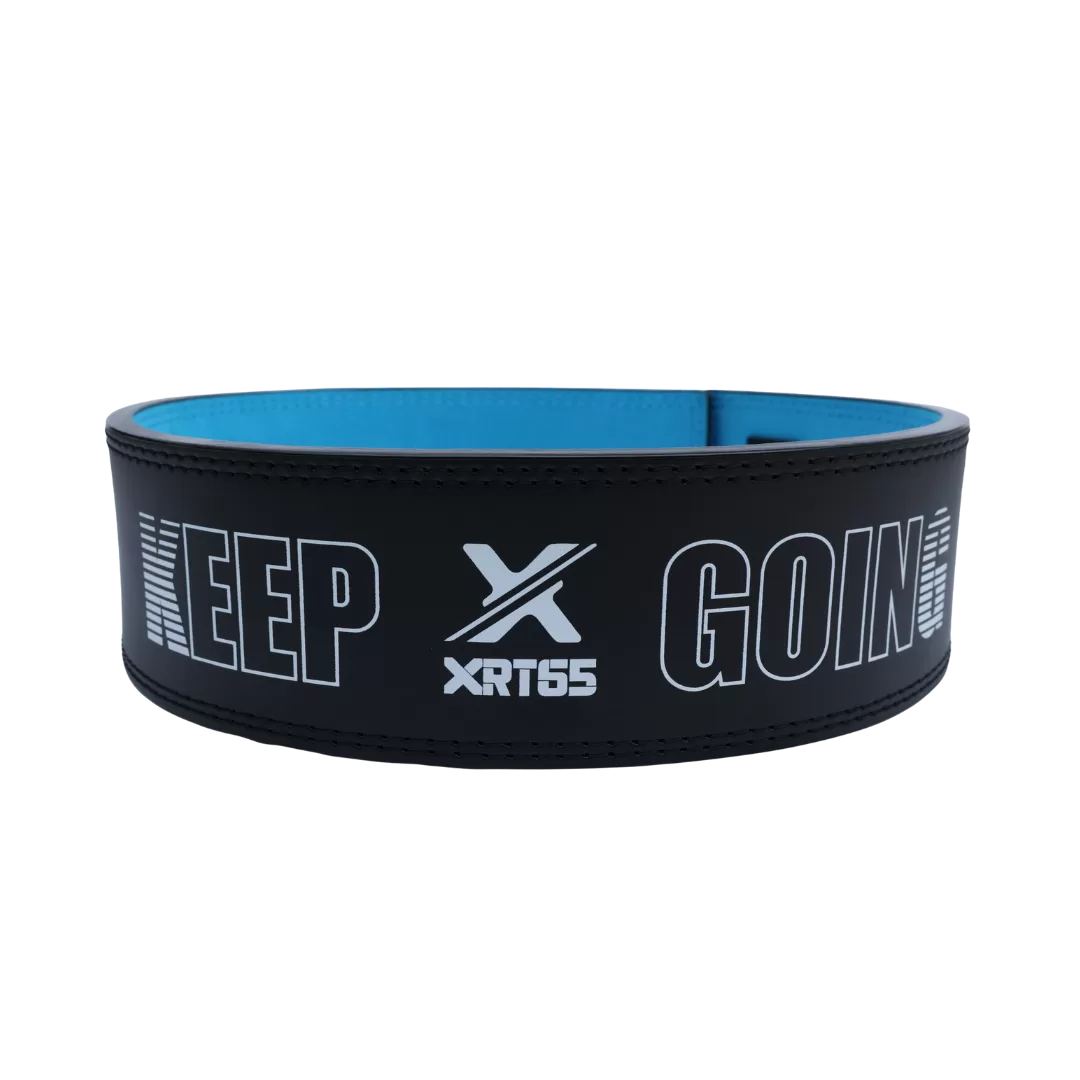
Training Essentials Guide
Accessories That Actually Change How You Train
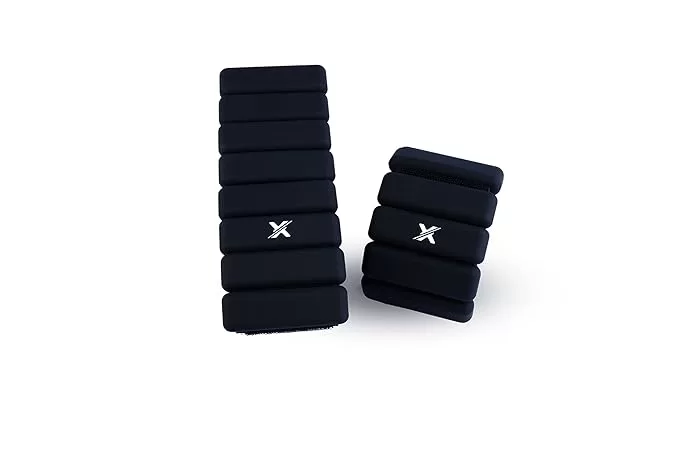
Accessories are where home gym budgets are most often wasted, so it is worth being selective. The ones that genuinely change training fall into two groups: equipment that adds resistance to movements you already do, and equipment that lets you lift more safely. Ankle and wrist weights belong to the first group — they load walking, glute work and rehab-style movement where dumbbells are awkward or impossible to hold. A lifting belt belongs to the second: it gives your core something to brace against on heavy squats and deadlifts, which is why lever belts are standard in serious training. The rule of thumb is simple. Buy an accessory when it unlocks a movement you cannot otherwise train well, or lets you train an existing movement more safely, and skip it when it only adds novelty.
What to look for
- Ankle and wrist weights load walking, glute and rehab movements where holding a dumbbell is impractical.
- A lever belt gives the core something to brace against on heavy squats and deadlifts — support, not a substitute for technique.
- Lever closures lock at a consistent tightness every rep, unlike prong belts that shift between sets.
- Buy an accessory only when it unlocks a movement or improves safety, not for novelty.
- Check sizing carefully on wearable gear — a belt or ankle weight that does not fit is one that never gets used.
Build the core of your gym first — dumbbells, a bench, a bar — then add accessories that solve a problem you have actually run into.