Showing 1 product(s) in Pull Up Bars
All Categories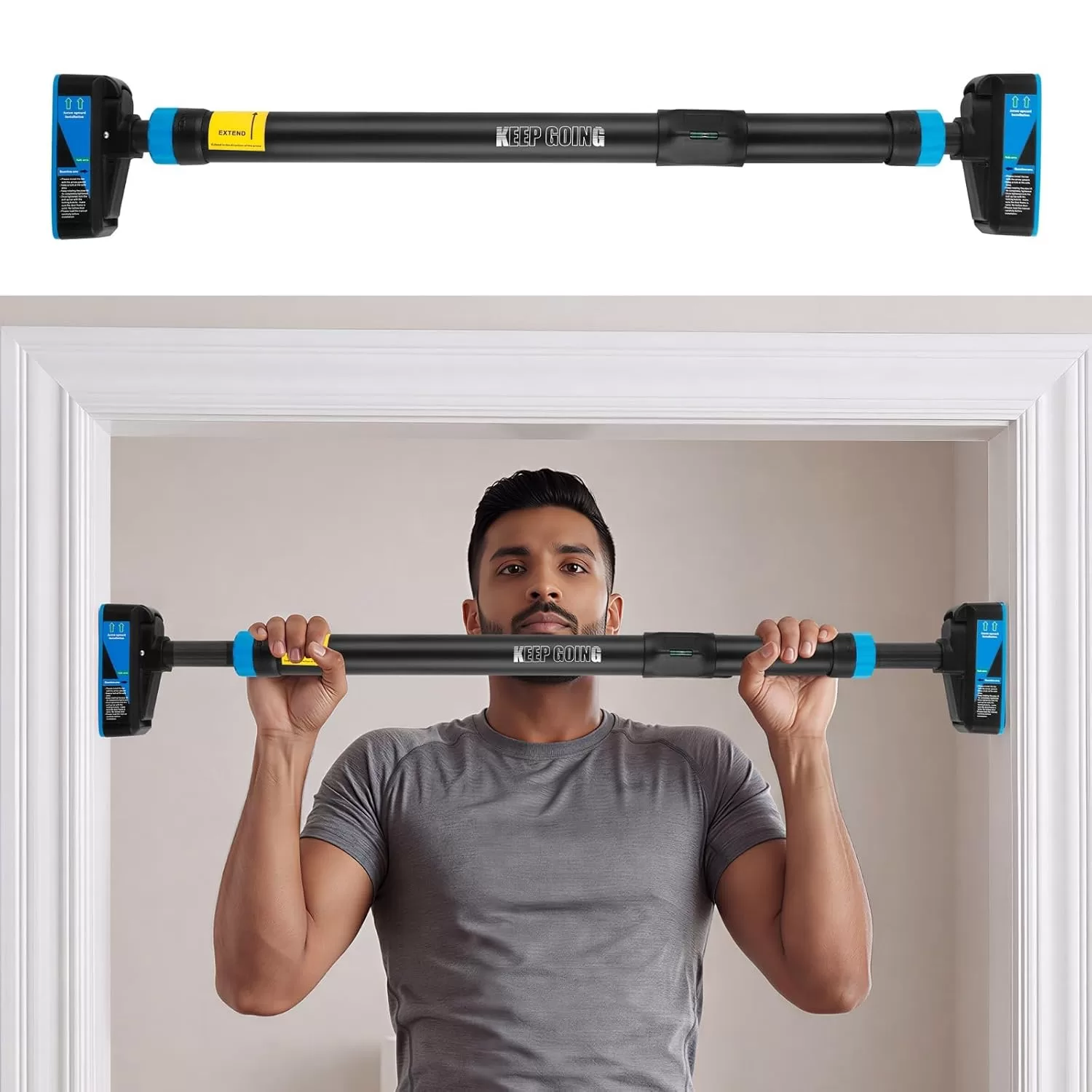
Pull-Up Bar Buying Guide
Doorway Pull-Up Bars: Fit, Safety and Getting Your First Rep
The pull-up remains the most effective upper-body pulling exercise you can do without a machine, and a doorway bar is the cheapest route to it. The two things that matter before buying are fit and load rating. Measure your door frame width precisely, including any moulding, because a bar that nearly fits is a bar that will slip. Then check the rated capacity against your bodyweight with meaningful headroom, particularly if you plan to add weight later or train explosive movements like kipping. Grip variety is worth paying for: a bar offering wide, neutral and close positions lets you shift emphasis between lats, biceps and upper back without buying anything else. If you cannot yet do a full rep, the bar is still the right purchase — negatives and assisted reps are how nearly everyone gets their first pull-up.
What to look for
- Measure the door frame width including moulding before ordering. Fit is the single most common return reason.
- Check the load rating against your bodyweight with headroom for added weight and dynamic movement.
- Multiple grip positions let one bar train lats, biceps and upper back without extra purchases.
- Inspect how the bar bears load against the frame — a design spreading force across the wall is more secure than one gripping the trim alone.
- No pull-ups yet? Negatives and band-assisted reps on the same bar are the standard route to a first rep.
Helpful guides
The beginner guide above covers ten exercises on a single bar, including progressions for anyone still working toward a first unassisted rep.